


Craniosacral Therapy
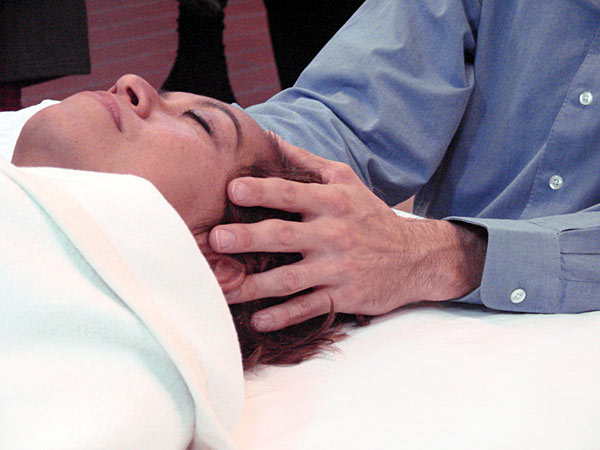 Biodynamic Craniosacral Therapy is the leading edge of evolution in craniosacral therapy. Craniosacral Biodynamics is derived from original practices in osteopathic medicine and combined with modern awareness of quantum physics, consciousness studies, and depth physiology. Biodynamic Craniosacral Therapy unfolds new vistas in practitioner awareness and higher levels of clinical effectiveness. This study develops incredible degrees of therapeutic precision by integrating traditional skills with modern awareness in energy medicine.
Our training provides clear and specific details of the principles and practice of this work.
Craniosacral Biodynamics goes beyond more mechanical approaches in craniosacral therapy by emphasizing the energy dynamics and processes that organize body functions. A clear understanding of these energetic processes takes therapeutic work to profound levels. Dr. William Garner Sutherland, the founder of cranial osteopathy, clearly described a primary energy impulse in the body that he called the Breath of Life. This primary energy expresses potency and an inherent ordering principle into the cerebrospinal fluid and structure of the body.
Craniosacral Biodynamics appreciates the interaction of bioenergy, fluid dynamics, and the structures of the body. Craniosacral Biodynamics works simultaneously with structure and function, bones and membranes, fluid dynamics, and the ordering principle of the Breath of Life. We teach the details of traditional skills drawn from osteopathic medicine along with modern insights which increase your effectiveness. Craniosacral Biodynamics allows you to work very specifically with the structure and the physiology of the body, as well as the organizing principle within that.
Biodynamic Craniosacral Therapy emphasizes that health is inherent in the body and explores how health expresses itself in every living process. The heart of the therapeutic processes is how to return the body to a greater relationship to this inherent health. Challenges to health such as injury, illness, or trauma are held in the energy dynamics of the body along with the physical structure. The beauty of the Biodynamic approach is that it works with the client’s inherent resources for change and healing.
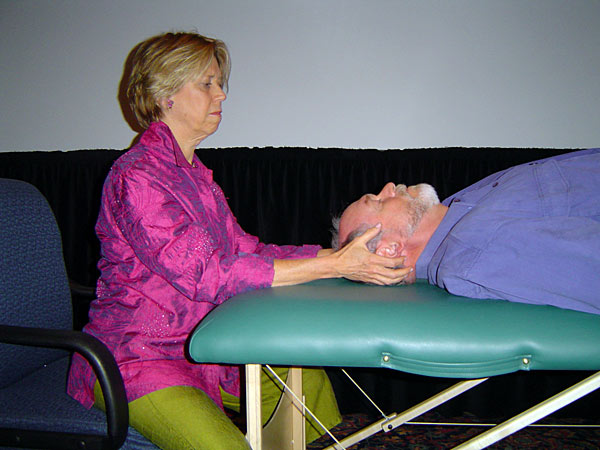 The Biodynamic Craniosacral Therapy training program covers the foundation of professional skills, craniosacral anatomy, and biodynamic awareness, principles and practice. The training is structured around the Standards for Practice of the Biodynamic Craniosacral Therapy Association, which requires completion of ten seminars, or 50 days of training, to qualify for the student to graduate with a diploma and to become a Registered Craniosacral Therapist®. Our training emphasizes a functional approach to therapeutic work combined with modern biodynamic awareness. Roger has taught this work to osteopaths in Europe, neurophysiotherapists, psychotherapists, nurses, doctors, and bodyworkers with a variety of backgrounds. The Wellness Institute curriculum is carefully crafted in a way that ensures most successful learning of Biodynamic Craniosacral Therapy.
Wellness Institute curriculum for Biodynamic Craniosacral Therapy
ORGANIZATION OF TRAINING
The Biodynamic Craniosacral Therapy Association Standards for Practice define a professional training as a ten class series that covers the complete range of professional competencies. Graduation from an approved training program qualifies the student for the professional credential offered by the association: Registered Craniosacral Therapist® (RCST®). The classes must be taken in the sequence scheduled, and commitment to the complete program is required. Make up materials are available if missing a seminar is unavoidable. All course requirements must be completed before graduation.
Overview of Craniosacral Biodynamics SEMINAR 1
This class examines the three cornerstones of craniosacral therapy: the inherent motion of the living system, facilitating stillpoints, and skills to resolve inertial patterns and increase the expression of health. You will develop an appreciation of the unique features and advantages of a Biodynamic approach to Craniosacral Therapy, and discover an essential healing principle that Dr. William Sutherland called the Breath of Life.
Principles of Biodynamic Craniosacral Therapy SEMINAR 2
Biodynamic CST is founded on five principles that define this healing art. This seminar reveals the heart of Biodynamic healing work through the five interactive principles: 1.Holism, 2. Bioenergy in relation to body structure and function, 3. the Inherent Treatment Plan, 4. Recognition of conditioned stress patterns and their effects on health and well-being, and 5. Healing happens in the present moment.
Patterns of Experience; Body Architecture SEMINAR 3
Explore how the living system holds its experience in the tissues, fluids, and organizing dynamics of living function. Primary structural relationships in the craniosacral system are addressed in this class, including specific movements of the cranial bones and sacrum, membrane functioning, and underlying motility. New therapeutic skills will be added for addressing the inertial patterns affecting health.
Cranial Base Patterns and Whole Body Dynamics SEMINAR 4
The cranial base is considered a primary fulcrum, or organizing point, for the structure and function of the entire body. We will become familiar with the motion dynamics and tissue patterns of the cranial base and learn how whole body connective tissue patterns hold structural relationships to the cranial base. This class also focuses on in-depth sacrum and pelvic work, transverse diaphragms, and lines of force in the body, revealing craniosacral therapy as a whole body therapy.
The Inherent Treatment Plan SEMINAR 5
The idea that the treatment plan emerges from within the client and is built from the available resources in the client is a valuable paradigm shift within health care. Accessing the inherent treatment plan is at the heart of the Biodynamic approach. It creates a truly holistic, client-centered therapeutic process. We will appreciate deep ways of helping the relevant treatment process emerge and healing to express itself.
Central Nervous System Motility SEMINAR 6
Discover the tissue motility of the central nervous system, the movement and functioning of the ventricles within the brain, and how the condition of the spinal fluid influences these. Venous sinus drainage for reducing fluid stasis and revitalizing the system is taught. We will also explore the relationship of bioenergy with the cerebrospinal fluid and the inherent motion dynamics in the living system. The midline, spine, energetic and structural axis relationships to the CNS are emphasized.
Visceral Dynamics and Embryological Development SEMINAR 7
The internal organs express motility and intrinsic motion which is a natural part of their physiology. Learn to work skillfully with internal organ dynamics, their connective tissue envelopes and attachments, and develop an appreciation of the embryological development and life intention of each organ.
Facial Dynamics and TMJ Issues SEMINAR 8
The importance of the structure and functioning of the face, neck, throat, and temporomandibular joints is significant in craniosacral therapy. We will examine detailed clinical skills for working with these areas and for addressing post-operative or dental care.
Nerve Facilitation and Psychospiritual Impacts SEMINAR 9
Facilitated nerve pathways are the reason the body and mind get into repetitive behaviors, even at the expense of the health of the organism. Examples of nerve facilitation include referred pain, chronic pain syndromes, trigeminal neuralgia, fibromyalgia, irritable bowel syndrome and spastic muscles. Also, depression, anxiety, and compulsive behavior involve facilitation in the central nervous system. This seminar examines the myriad relationships involved with nerve facilitation, its tiered expression through three orders of facilitation, and important clinical skills for ameliorating nerve facilitation.
Birth Dynamics and Integration SEMINAR 10
This class explores the formative patterns set in place during the birth process and how these affect the craniosacral system. The influence of birth can be traced to later structural patterns, psychological styles, and behaviors. Clinical skills for integrating these imprints in both infants and adults will be sensitively worked with. This seminar develops a deep understanding of the holistic nature of life’s dynamics.
Graduation occurs during the tenth seminar.
Why Study Craniosacral Biodynamics?
Biodynamic Craniosacral Therapy is a unique healing art that develops the practitioner’s relationship to life’s essence and inherent healing capacity. Students in this program learn a great deal about themselves, the nature of life, and valuable ways to facilitate other’s healing. Biodynamic Craniosacral Therapy is a professional diploma training that will take you deeper into profound modes of healing.
The human system has different layers of experience that can all be touched in Craniosacral Biodynamics. This training explores the interactive dynamics of tissues and fluids, organizing forces, and therapeutic presence. Three fields of function are active within every healing process: tissues, fluids, and bioenergy. Specific skills for addressing each of these dimensions are developed in Biodynamic Craniosacral Therapy. The training has a solid and tangible grounding in the structure and functioning of the physical body. Additionally, fluid dynamics are emphasized in both their systemic and particular actions within the living system. Finally, the energy dynamics within these processes are revealed and skills are presented for utilizing them skillfully in the healing process.
Take your existing skills to deeper levels and develop a wider perspective in your work. Traditional osteopathic skills leading to great precision in clinical practice will be taught and refined throughout the course.
Improved patient benefits and lasting results accumulate with Biodynamic Craniosacral Therapy. Utilizing the inherent treatment plan and facilitating the healing forces at the heart of every condition gives access to the remarkable healing powers available in the dynamics of life itself!
Why study Craniosacral Biodynamics with Wellness Institute and Roger Gilchrist?
- Experience in mainstream healthcare.
- International school with a proven curriculum
- Teaching to a wide range of healthcare professionals has demonstrated that our combined approach that teaches functional skills along with the quantum wisdom of Craniosacral Biodynamics has the best outcomes. We want you to be successful in your practice!
Roger Gilchrist, MA, RPP, RCST®, has taught Craniosacral Biodynamics to osteopaths and medical doctors in Europe, and a wide spectrum of health care professionals in the USA, Australia, and Europe. Wellness Institute graduates have included massage therapists and bodyworkers, social workers and psychotherapists, nurses, doctors and, occasionally laypeople with demonstrated aptitude. The study of Biodynamic principles definitely shifts every form of clinical practice to deeper levels of awareness.
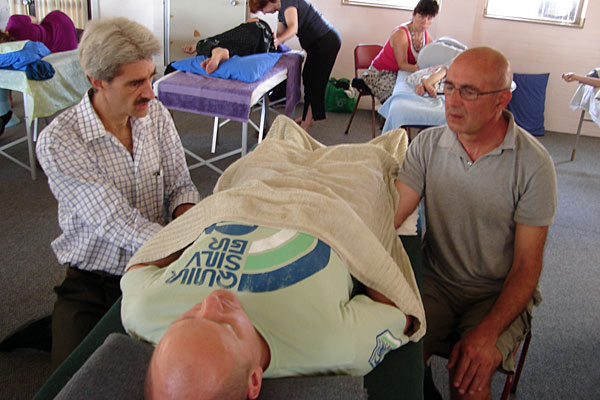
For more information on the professional credential for Registered Craniosacral Therapist® (RCST®),
visit the Biodynamic Craniosacral Therapy Association, at www.craniosacraltherapy.org.


DON'T MISS OUT
Sign up for our email newsletters and be the first to know about Wellness Institute updates all year long!